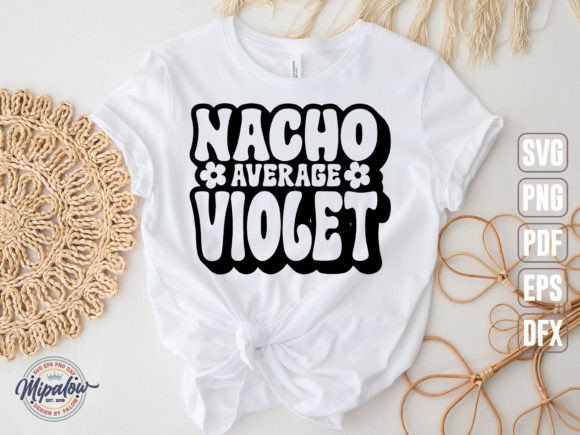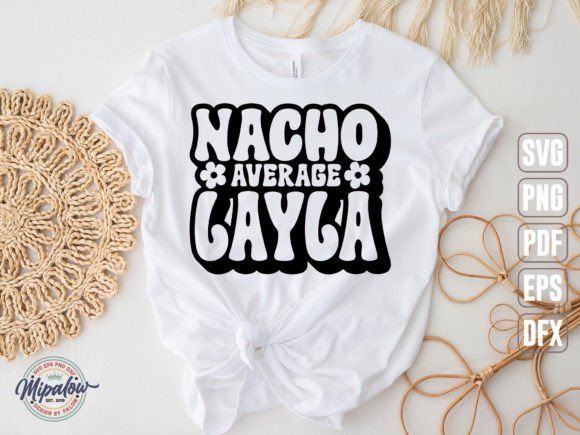
Nacho Average Lila SVG
As someone who’s stitched hundreds of designs across baby onesies, boutique aprons, and Etsy bestsellers, I opened Nacho Average Lila SVG expecting playful charm—and got it. But more importantly, I asked: *Will this hold up under needle, thread, and real customer expectations?* Let’s walk through it like we’re prepping for a custom embroidered tote bag order—because that’s exactly where this design landed for me last week.
A First Stitch Impression: Sweet, Simple, and Surprisingly Versatile
The moment you preview Nacho Average Lila SVG, it reads as warm and intentional—not cutesy overload, not overly minimal. It’s got soft curves, balanced negative space, and a hand-drawn rhythm that translates beautifully to embroidery. Think satin-stitched outlines with gentle fill-stitch areas—not dense, not sparse. That balance is rare in digital illustrations marketed for cutting machines, yet here it supports real stitchability. It feels like a machine embroidery design born from illustration sensibility, not just vector convenience.
I immediately pictured it on a natural linen tea towel—small hoop, medium-density fill, light stabilizer—and then flipped to a navy cotton sweatshirt. Same design, different weight, different impact. On the towel, it’s quiet confidence. On the sweatshirt? A cheerful focal point that doesn’t fight the fabric texture.
Where It Shines (and Where It Asks for Thought)
Nacho Average Lila SVG excels in projects where personality meets practicality:
- Personalized gifts: Embroidered on a baby onesie or pillow cover, it reads as tender and handmade—not generic. Customers notice that difference.
- Small shop merchandise: As a tote bag design or apron front, it adds boutique-level charm without demanding premium pricing.
- Holiday embroidery: Tucked into a holiday gift set (think embroidered kitchen towel + matching oven mitt), it softens seasonal formality with approachable warmth.
- Etsy seller assets: Works cleanly in printable mockups—especially against neutral backdrops—so your digital listing feels cohesive and trustworthy.
But let’s be real: not every surface welcomes this design equally. On stretchy fabric like ribbed knit tees, I’d reduce stitch density or add light tear-away stabilizer underneath—those smooth curves can pucker if tension isn’t dialed in. And while it’s clean enough for dark fabric, avoid pairing it with ultra-fine thread on thin cotton—it needs enough contrast to land visually after stitching.
What This Design Says About Your Finished Product
Your choice of embroidery file shapes perception before the first stitch hits fabric. Nacho Average Lila SVG signals care—not perfectionism, but thoughtful execution. When customers see it on a handmade product, they don’t just register “cute.” They register *intention*. That builds trust faster than any product description.
It also supports brand consistency. Whether you’re an Etsy seller curating a spring collection or a craft fair vendor building seasonal inventory, this design fits seamlessly alongside botanical motifs, minimalist lettering, or soft-toned applique designs—without clashing or diluting your voice.
And yes—it’s gift-ready. Not because it’s flashy, but because it feels personal. A friend once bought a sweatshirt with this exact motif (stitched by me) for her sister’s baby shower. The feedback? *“It didn’t look mass-produced. It looked like it was made for her.”*
Practical Designer Notes Before You Stitch
This isn’t just about opening the file and hitting go. Here’s what I do—every time—with a new digital embroidery file like Nacho Average Lila SVG:
- Test on scrap fabric first—same type and weight as your final project. Watch how corners settle and whether satin-stitched edges stay crisp.
- Check thread color contrast on both light and dark backgrounds. Some shades read beautifully on cream but disappear on charcoal unless you adjust fill density or outline weight.
- Review stitch density in your embroidery software. If it’s built for cutting machines, it may need slight optimization for dense fill areas—especially on textured fabrics like terry cloth or fleece.
- Confirm hoop size compatibility. While the SVG itself scales freely, your actual embroidery file may have fixed dimensions. Know your smallest viable hoop before committing to a cap or baby hat.
- Inspect small details—like inner curves or subtle line breaks. These are often where running stitch elements live, and they can vanish on low-thread-count fabric if not stabilized properly.
- Use proper stabilizer for your base: cut-away for knits, tear-away for stable wovens, and fusible for lightweight layers like quilted pillow covers.
- Verify licensing before selling finished items—or reselling the digital file. Since this listing specifies DIGITAL FILES ONLY, confirm whether commercial use is permitted for your intended application.
Final Thought: A Design That Serves the Maker
Nacho Average Lila SVG doesn’t shout. It invites. It works quietly in the background of your craft business—supporting personalized gifts, strengthening your Etsy listings, adding cohesion to seasonal collections, and helping your handmade product feel like a conversation, not a transaction.
It’s not flashy Illustrations designed for screen-only impact. It’s Graphics with embroidery intelligence baked in—soft edges that stitch cleanly, open spaces that breathe on fabric, and a mood that lands whether you’re stitching for a newborn or a neighborhood coffee shop’s staff aprons.
If you’re evaluating this for your next batch of embroidered patches, holiday kitchen towels, or custom apparel drops—go ahead and add it to your cart. Just remember: test, tweak, and trust your own eye. Because the best embroidery files aren’t just technically sound—they’re designed to make *you* look good, stitch after thoughtful stitch.