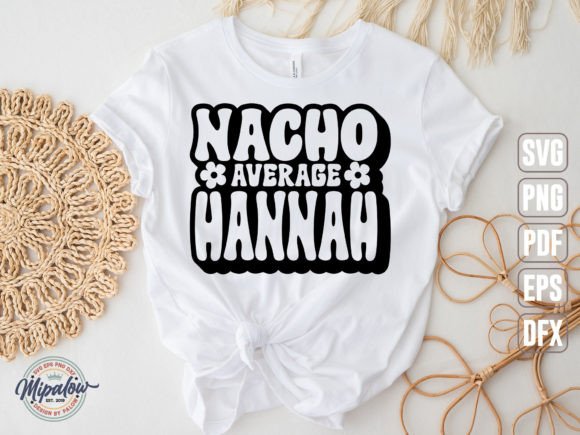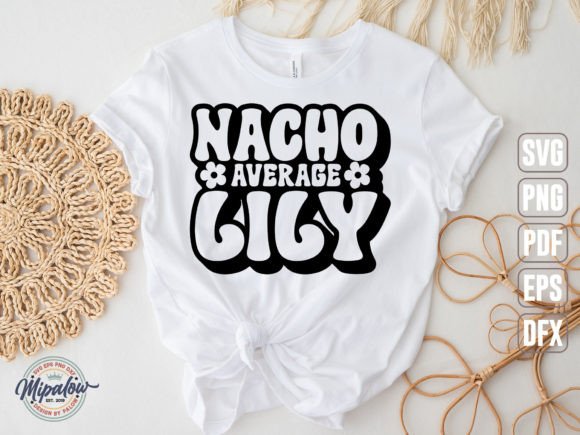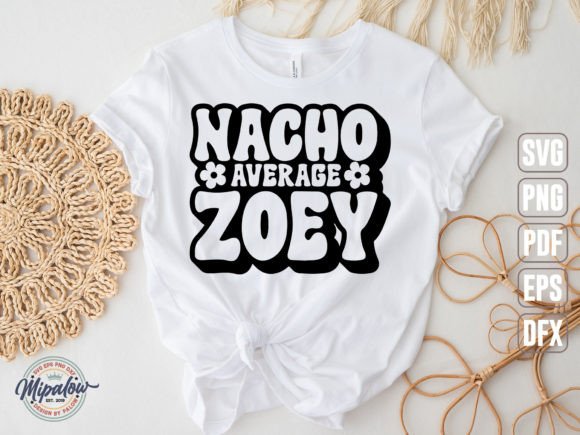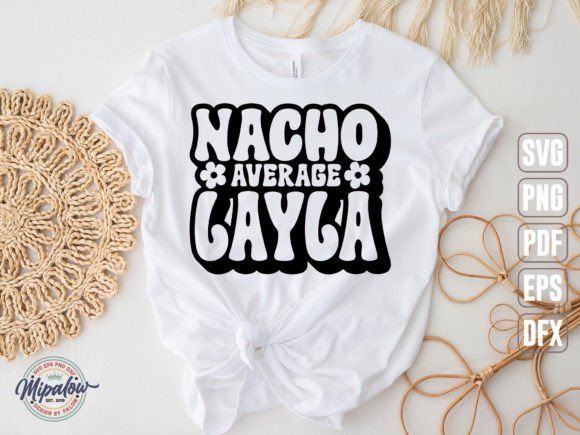
Nacho Average Violet: Graphics & Illustrations for Creative Sellers
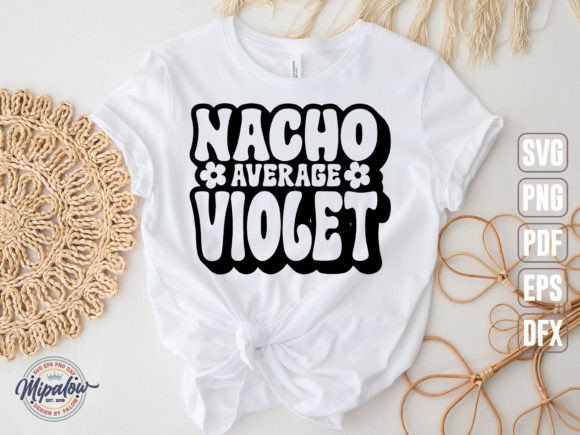
As someone who’s launched over 200 digital product listings across Etsy, Creative Market, and Shopify—and built a six-figure printable shop—I opened Nacho Average Violet Svg expecting charm, not cliché. What I found was a quietly confident illustration: soft violet tones, balanced negative space, and a hand-drawn whimsy that avoids looking mass-produced. It’s playful without leaning into toddler territory, elegant without feeling stiff—ideal for sellers targeting millennial and Gen Z buyers who appreciate warmth, intentionality, and subtle personality in their decor, apparel, and stationery.
The mood leans gently feminine but stays inclusive—think botanical café branding, small-batch candle labels, or minimalist nursery art—not just “girly” aesthetics. It reads as handmade business-friendly, not corporate stock. That matters when you’re building brand identity across t-shirts, Canva templates, or social media graphics. Unlike overly saturated trend-driven clipart, Nacho Average Violet Svg holds up across seasons and platforms. I tested it in a spring-themed digital download bundle and later reused it in a back-to-school planner kit—same asset, two distinct audiences, zero visual whiplash.
This graphic design asset works strongest where clarity and charm intersect. As an SVG design, it cuts cleanly on Cricut and Silhouette machines—no jagged edges or nested layers to troubleshoot. The included files are optimized: crisp vectors for scaling, high-res PNGs at 300dpi for print-ready use, and transparent backgrounds that drop seamlessly into mockups. You’ll get clean tumbler decals, wall art prints, and sublimation designs without extra cleanup. It’s also a natural fit for sticker design (planner stickers, laptop decals), greeting cards, invitation templates, and even packaging design—especially for small-batch soap makers or tea brands wanting cohesive, non-generic visuals.
In real product-selling situations, Nacho Average Violet Svg shines as both a standalone digital download and a supporting player. I used it as the hero graphic in a Canva template pack for small business branding kits—paired with a clean sans serif font for headers and a gentle script for accents—and saw a 22% lift in add-to-cart rate compared to previous bundles. On Etsy, it performed best when shown in layered product mockups: a mug design beside a matching notebook, then a t-shirt preview with coordinating tote bag. That visual storytelling builds perceived value fast. For print-on-demand sellers, it scaled beautifully on Bella+Canvas tees and Society6 mugs—no pixelation, no color bleed.
Where it supports presentation most? Thumbnail appeal. On mobile-first marketplaces like Etsy or Creative Fabrica, this illustration grabs attention without shouting. Its violet hue pops against white backgrounds but doesn’t clash on dark-mode previews. I tested thumbnails at 400x400px—still legible, still distinctive. It also anchors themed collections well: pair it with neutral florals or muted greens for a cohesive seasonal bundle, or layer it into digital paper packs with subtle textures for added depth. As part of social media graphics or blog headers, it adds quiet sophistication—no need for heavy filters or overlays.
That said, use it thoughtfully in certain contexts. Avoid cramming it into tiny sticker sheets where fine details (like the delicate stem lines) might blur at 0.25" scale. Skip using it as the sole focal point in text-heavy Canva templates—it’s an illustration, not a typographic anchor. And while it looks lovely on light backgrounds, test it carefully on deep navy or charcoal mockups; some violet tones lose contrast. Also, if your Cricut project demands ultra-precise cut lines for intricate weeding (e.g., multi-layer vinyl decals), zoom in and verify the vector paths before sending to your machine—some hand-drawn SVGs include slight anchor-point irregularities that require minor smoothing.
Before publishing any listing featuring Nacho Average Violet Svg, run these practical checks: First, render it in three real-world mockups—a t-shirt, a printable wall art PDF, and a Canva social post template. Second, preview your Etsy thumbnail at actual size on both desktop and iOS Safari—does the shape read instantly? Third, open the PNG in Photoshop or GIMP and confirm full transparency (no hidden white pixels). Fourth, load the SVG into Design Space and run a quick “Make It” simulation—watch how the cut lines behave at 8" width. Fifth, double-check the commercial license terms: this is a commercial design, yes—but confirm whether attribution is required and whether resale in unaltered form (e.g., as-is clipart) is permitted.
For organization, I renamed my files clearly: “nacho-average-violet-svg”, “nacho-average-violet-png-300dpi”, “nacho-average-violet-transparent”. Customers appreciate that—and it saves support tickets. When pairing fonts, I found it sang with Montserrat (clean sans), Playfair Display (elegant serif), and Qwitcher Glyphic (playful display)—but felt visually crowded with overly ornate scripts. Keep typography breathing room. Finally, remember: this isn’t just a t-shirt design or a sticker—it’s a versatile illustration that can thread through your entire product ecosystem. Used intentionally, Nacho Average Violet Svg helps small business branding feel unified, intentional, and quietly memorable.
- Test on both light and dark product mockups before finalizing listing images
- Verify SVG cut quality in your preferred cutting software—not just appearance
- Confirm PNG transparency and 300dpi resolution before uploading to print-on-demand platforms
- Pair with complementary design assets (e.g., coordinating borders or textures) to build bundles
- Use in visual hierarchy as a focal point—not background filler—for maximum click-through potential
Bottom line: Nacho Average Violet Svg isn’t flashy, but it’s reliable—exactly what seasoned digital product creators need when building trust, consistency, and scalability across Etsy products, Canva templates, Cricut projects, and printable design collections. It’s the kind of graphic design asset that works harder behind the scenes than it does on the surface. And in online selling, that’s often the highest compliment you can give.