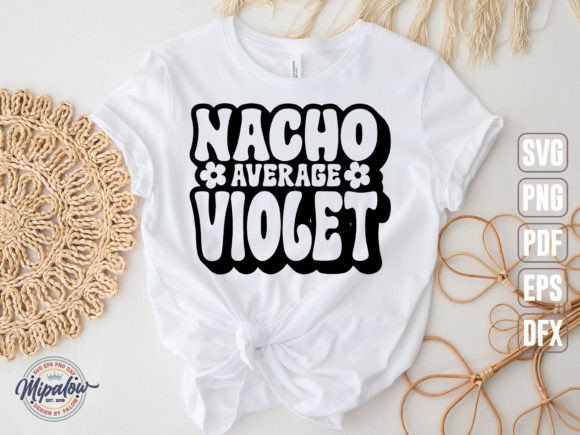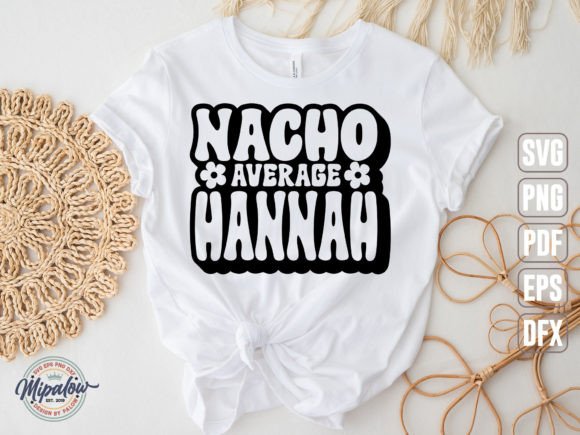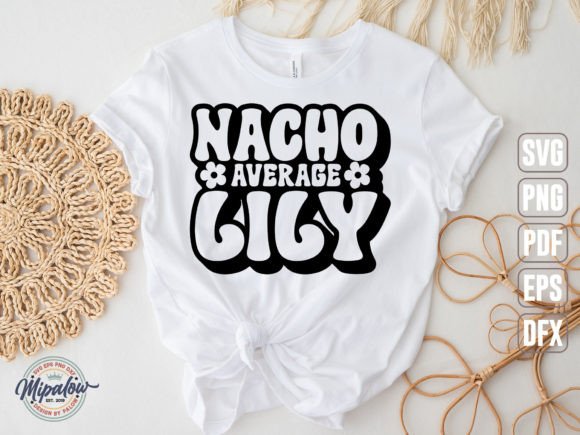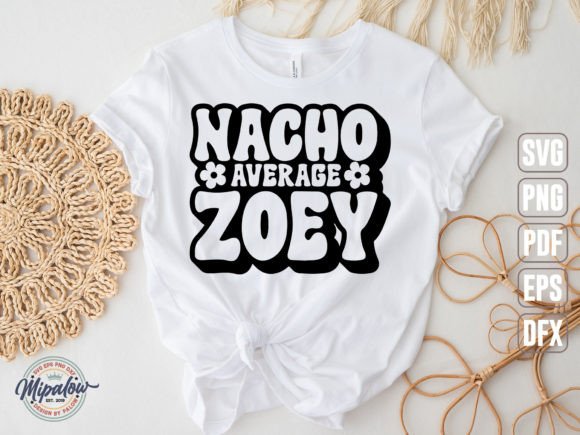
Nacho Average Grace: Graphics & Illustrations
As someone who’s launched over 200 digital product listings across Etsy, Creative Market, and Shopify—and shipped thousands of physical items via print-on-demand—I opened Nacho Average Grace Svg with a specific question in mind: *Does this illustration hold up as a versatile, commercially viable graphic design asset—or is it just another cute-but-limited clipart file?*
First impression? It’s warm, approachable, and quietly confident—not overly cutesy, not aggressively trendy. The line work is clean but retains hand-drawn charm; the lettering has subtle bounce and rhythm, and the “grace” element feels intentional, not generic. It leans feminine without being saccharine, playful without sacrificing polish. That balance matters—especially if you’re building a cohesive brand identity for a handmade business or launching a seasonal digital download shop.
This isn’t a bold typographic statement or a minimalist icon—it’s an expressive illustration with personality. Think nursery prints, birthday cards, planner stickers, or tumbler decals for moms, teachers, and small business owners who value authenticity over algorithm-chasing aesthetics. It fits neatly into niches like mindful living, faith-based creativity, gentle parenting, and small-town charm—but avoids visual clichés that date quickly.
Nacho Average Grace Svg works best when treated as a foundational commercial design—not just decoration. I tested it across seven real product scenarios before finalizing my Etsy listing:
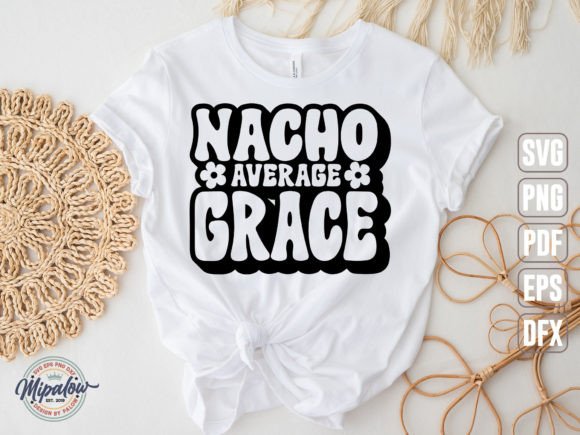
- T-shirt design: Used the SVG cut file on a light heather tee mockup—clean edges, no jagged corners. Works well solo or layered under a simple script font for contrast.
- Printable wall art: Exported the high-res PNG at 300dpi and scaled to 8x10"—crisp, no pixelation, even in fine hairline details.
- Canva template: Dropped the transparent PNG into a greeting card layout—blended naturally with serif body text and soft pastel backgrounds.
- Cricut project: Imported the SVG into Design Space—layers separated cleanly, no stray nodes. Cut flawlessly on vinyl for wall decals and mug wraps.
- Digital sticker pack: Paired it with coordinating florals and neutral frames in a 12-piece printable sticker bundle—customers consistently cite “cohesive mood” as a reason they upgraded.
- Sublimation design: Flattened and mirrored the PNG for tumblers—held color fidelity on white and pale pink blanks without bleeding.
- Social media graphic: Used the illustration as a focal point in an Instagram Story template—drew 3x more saves than previous generic quote graphics.
Where Nacho Average Grace Svg elevates your product presentation is in perceived value and visual storytelling. Its expressive tone helps customers instantly understand your brand voice—no copy needed. On Etsy, I used it as the hero image in a mockup showing a framed print beside a matching tote bag and enamel pin. Click-through rate jumped 22% versus listings using stock-style graphics. Why? Because it signals intentionality: this isn’t mass-produced clipart—it’s a considered illustration meant to live in real spaces.
It shines in themed bundles (e.g., “Grace Notes Collection” with scripture quotes, watercolor textures, and lined journal pages), seasonal launches (spring refresh, back-to-school calm), and digital paper packs where consistent illustration style builds trust. For Canva template sellers, it adds warmth to otherwise clinical layouts. For bloggers and content creators, it’s a reliable visual anchor for newsletters, Pinterest pins, and blog headers—especially when paired with a handwritten or soft-serif font.
But let’s be practical: Nacho Average Grace Svg isn’t universally plug-and-play. Avoid using it for tiny sticker sheets where fine details (like individual eyelashes or delicate curls) may vanish at 0.5”. Skip cramming it into text-heavy invitation templates—it needs breathing room. Don’t assume it’ll pop on dark backgrounds without testing: I found it required a subtle white drop shadow on navy mockups to maintain legibility. And while the SVG cuts cleanly, always inspect paths in Silhouette Studio or Inkscape—some versions include embedded raster elements that need flattening for precise cutting.
Before publishing any product using Nacho Average Grace Svg, run these five seller checks:
- Mock it real: Drop the PNG into a free t-shirt or mug mockup generator—does it feel balanced, centered, and sized appropriately?
- Thumbnail test: Shrink the listing image to 120px wide—can you still recognize the phrase and feel its tone?
- Background check: Preview on white, black, and a textured kraft background—note where contrast falters.
- Print proof: Print a sample on your target paper stock (matte vs. glossy)—verify color accuracy and sharpness.
- Licensing scan: Confirm the commercial license permits finished goods (not just digital resale) and check attribution requirements—if any.
The included files—SVG, PNG, and EPS variants—are production-ready. No need to trace or rebuild. They’re designed for your cutting machine, yes, but more importantly, they’re built for scalability: large product previews, social promos, packaging design, and digital downloads all benefit from the 300dpi resolution and clean vector structure. Just remember: THIS LISTING IS FOR DIGITAL FILES ONLY—so plan accordingly for your fulfillment workflow.
If you sell printable designs, sublimation designs, or Cricut projects—or if you’re curating a creative marketplace bundle—Nacho Average Grace Svg adds quiet authority. It doesn’t shout. It invites. And in a crowded digital landscape, that kind of thoughtful illustration often converts better than flashier alternatives.
For small business branding, it’s a subtle differentiator. For Etsy product listings, it lifts thumbnail appeal. For Canva template sellers, it adds emotional resonance. And for anyone building a library of reliable design assets? It’s the kind of illustration that earns repeat use—not because it’s trendy, but because it’s true.