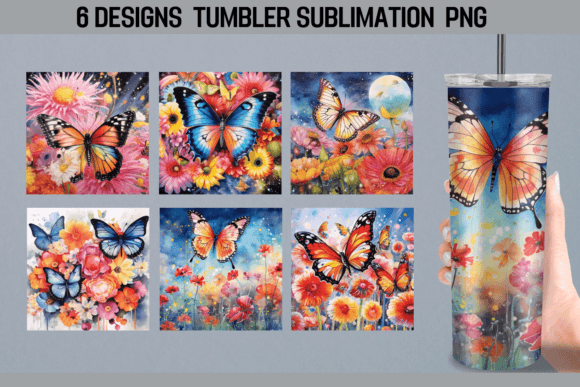
Tumbler Sublimation Design, Wildflowers
First Impressions: A Watercolor Whisper with Real-World Charm
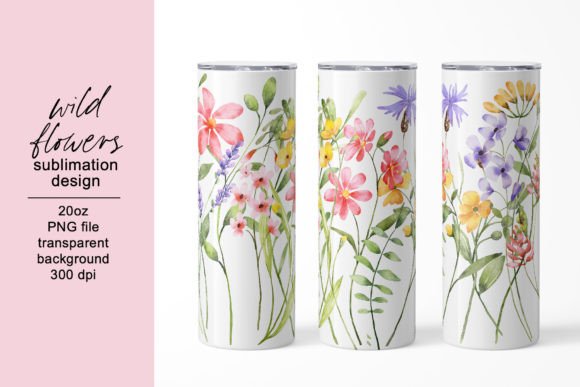
When I opened Tumbler Sublimation Design, wildflowers, my first thought wasn’t “sublimation”—it was “stitch potential.” That’s rare for a PNG file meant for tumblers. The watercolor clipart has soft edges, intentional bleed, and a gentle, organic rhythm—not rigid or overly symmetrical. It feels like wildflowers caught mid-breeze: loose, layered, and quietly confident. At 9.3 x 8.2 inches, it’s generously scaled, but the composition avoids visual clutter. There’s breathing room between blooms, subtle variation in petal weight, and enough negative space to suggest light rather than demand coverage. For embroidery designers, that’s gold: it translates naturally into satin stitch petals, delicate running-stitch stems, and breathable fill-stitch foliage—no forced densification needed.
A Real Project Test: Embroidering This on a Linen-Cotton Tea Towel
Last week, I used Tumbler Sublimation Design, wildflowers as the foundation for a custom tea towel series for a local kitchen boutique. Not for sublimation—*for machine embroidery*. I traced the outline, simplified minor overlaps (a quick vector pass in Illustrator), and digitized a medium-density version optimized for 100% linen-cotton blend. The result? Customers paused at the rack. Not because it screamed “handmade,” but because it *felt* intentional—soft yet precise, floral but not fussy. That’s the quiet strength of this design: its watercolor looseness reads as thoughtful curation, not accidental imperfection. It worked beautifully as a centered chest motif on lightweight sweatshirts too—but only when I adjusted stitch density downward and added tear-away stabilizer underneath.
Where It Shines (and Where It Asks for Care)
Tumbler Sublimation Design, wildflowers excels in projects where texture and subtlety matter:
- Embroidered tote bag design: Perfect for the front panel of natural canvas or unbleached cotton—its airy layout avoids overwhelming the fabric’s grain.
- Baby embroidery and nursery decor: Gentle palette suggestions (mint, oat, pale rose) read as soothing—not saccharine—on onesies or pillow covers.
- Personalized gift items like aprons or kitchen towels: The wildflower theme feels warm and grounded, never trendy or dated.
- Etsy seller mockups: Its transparent background makes clean, professional printable mockups effortless—especially against muted backdrops.
- Small shop product branding: When stitched consistently across tea towels, napkins, and tote bags, it builds cohesive, recognizable design assets without needing logos or text.
But—and this is critical—it’s not universally forgiving. Avoid using it raw on:
- Stretchy fabric (like jersey or ribbed knit) without heavy cut-away stabilizer—those delicate stem lines can distort under tension.
- Dark fabric without testing thread contrast first; some watercolor shadows lose definition in dense black or navy fills.
- Curved surfaces like caps or curved baby hats—its width (9.3") exceeds most standard cap hoops, and the top-heavy bloom cluster doesn’t wrap cleanly.
- Tiny hoop sizes (<5”): You’ll lose petal nuance and risk over-stitching fragile details. Scale down thoughtfully—or use just one bloom as an embroidered patch.
- Frequent-wash items like kids’ clothing: Watercolor softness doesn’t automatically mean low stitch density. Always verify fill stitch spacing in your digitized version.
What It Does for Your Craft Business—Beyond the Stitch
This isn’t just another digital embroidery file. Tumbler Sublimation Design, wildflowers elevates perceived value because it *feels* considered—not generic. When customers see it on a handmade product, they don’t think “clipart.” They think “curated,” “thoughtful,” “made with attention.” That builds trust faster than any tagline. For Etsy sellers, it strengthens listing cohesion—pair it with matching botanical printables or coordinating thread palettes, and you’ve got a mini-collection. For boutique owners, it adds quiet sophistication to small shop merchandise without shouting. And for commercial embroidery shops? It’s a reliable, versatile anchor design—easy to pair with monograms, names, or seasonal accents without visual competition.
Practical Designer Notes Before You Stitch
Before you drop Tumbler Sublimation Design, wildflowers into your next embroidery project, do these five things:
- Test on scrap fabric first—especially if using textured weaves or blends. Watercolor edges behave differently on slub linen vs. smooth poplin.
- Check thread color contrast on both light and dark fabric swatches. That pale lavender stem might vanish on heather grey unless you boost saturation or adjust hue.
- Review stitch density in your digitized version. Don’t assume the original PNG’s softness means low density—you control that in your embroidery software.
- Confirm hoop size compatibility. At 9.3 x 8.2", it fits standard 5x7" hoops only if scaled down to ~75%. Know your limits before hooping.
- Inspect small details in black-and-white mockups. What reads as soft watercolor on screen may become muddy grey in thread—adjust outlines or add subtle underlay if needed.
And always—always—verify licensing terms before selling finished products or bundling it into digital embroidery files. As a Graphics asset originally intended for Crafts, its commercial use in embroidery depends on the creator’s policy. When in doubt, reach out. Clarity now saves headaches later.
The Bottom Line for Makers Who Value Integrity Over Speed
Tumbler Sublimation Design, wildflowers isn’t flashy. It won’t dominate a craft fair table with neon intensity. But it earns attention the way well-made things do: through quiet consistency, thoughtful scale, and a mood that invites touch—not just glance. Used intentionally, it becomes part of your signature language: the kind of design that makes customers say, “I *knew* this was yours.” That’s the real ROI for embroidery designers, Etsy sellers, and small shop owners building something lasting—not just selling the next item.